

High-quality contract beds play a crucial role in the hospitality industry by significantly enhancing guest experience and satisfaction. In a sector where positive reviews and repeat business hinge on comfort, ensuring guests enjoy restful sleep can set a hotel or guesthouse apart from its competitors. Investing in superior contract beds goes beyond visual appeal, offering consistent support and durability that directly impacts how guests perceive their stay.
Meeting the Unique Demands of Hospitality Environments
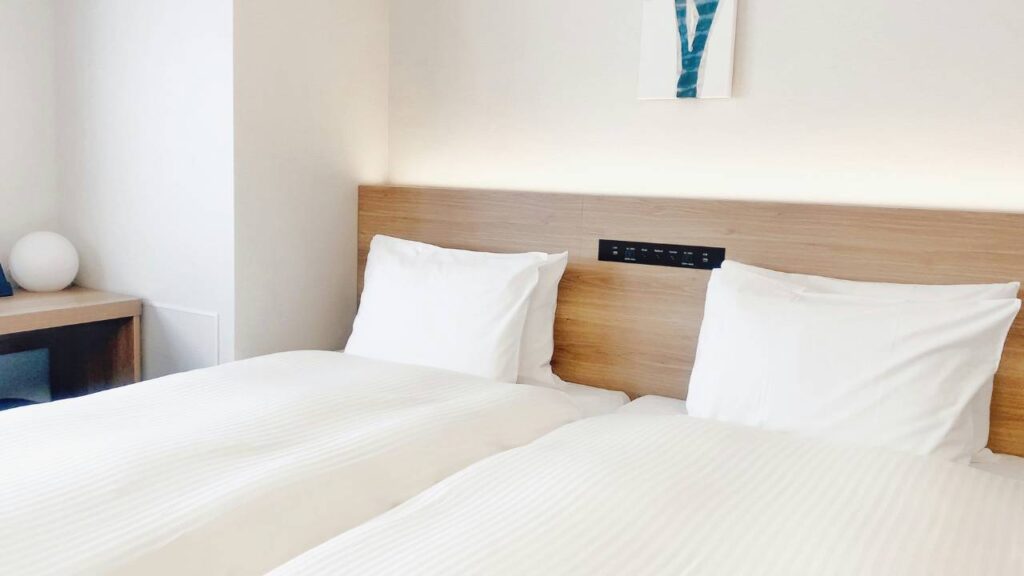
Contract beds are designed specifically to withstand the rigorous conditions found in hospitality settings. Hotels require products that can handle high guest turnover, which means beds must maintain their structure and comfort despite constant use.
The materials chosen for contract beds are selected for durability and resilience. Fabrics and upholstery are made to be robust, often featuring advanced stain resistance and easy-clean surfaces. This makes frequent and thorough cleaning possible without causing wear.
Fire safety is a legal requirement in commercial hospitality environments. Contract beds comply with strict flammability regulations, providing both safety and peace of mind for hotel operators and their guests.
Hygiene is another priority in these settings. Many contract beds are designed with antimicrobial treatments and sealed covers that help prevent the build-up of allergens and bacteria. This supports cleanliness and guest well-being.
These features make contract beds essential for commercial use, especially in busy hotels where longevity, safety, and hygiene are critical. Only beds built and tested for these exacting standards can reliably serve the hospitality industry’s unique and ongoing demands.
Enhancing Sleep Quality and Guest Satisfaction
Contract beds play a pivotal role in elevating guest experience by prioritising sleep quality. Features such as pocket-sprung mattresses and multilayered foam cores provide targeted support, minimising pressure points and promoting spinal alignment.
The integration of noise-reducing headboards and frames helps to create a quieter sleeping environment. This is particularly significant in busy hotels where external sounds can disrupt rest. Temperature-regulating fabrics, including moisture-wicking covers and breathable materials, further enhance comfort throughout the night.
Advancements specific to the hospitality sector, like fire-retardant fabrics and reinforced bases, not only boost safety but also extend product longevity. These technologies ensure the bed remains supportive and hygienic over time, catering to the varying needs of diverse guests.
Guests frequently comment that they experience better sleep on contract beds, contributing to improved reviews, higher satisfaction ratings, and a greater likelihood of repeat bookings. Consistent comfort can also help reduce the volume of complaints related to poor sleep.
By focusing on these comfort-driven attributes, hospitality providers can demonstrate a commitment to guest well-being. This attention to sleep quality often becomes a distinguishing feature in the competitive accommodation market.
Supporting a Memorable Guest Experience

The choice of contract beds goes beyond basic function. A well-chosen bed influences the comfort and mood of a guest’s stay, helping to create a restful environment that travellers seek.
Leading hotels around the world set themselves apart by constantly evolving their guest experience—whether through design, service, or comfort—and a key part of that strategy involves consistent investment in premium mattresses, pillows, and linens. This attention to detail ensures that even a mid-tier room can deliver the kind of sleep quality guests might expect in a higher-end property.
Guests may notice the difference in support and softness, finding that even a standard room offers a level of comfort once reserved for luxury accommodations.
Wellness-focused travellers increasingly look for features that promote good sleep and overall wellbeing. Orthopaedic mattresses, hypoallergenic materials, and responsive support systems can help improve sleep quality, contributing to guests feeling refreshed each morning.
For those expecting a luxury experience, every detail of the bed is crucial. High thread-count linens, feather duvets, and tailored firmness options ensure that the sleeping environment meets or exceeds expectations, reinforcing the feeling of personal attention.
Attention to bedding can instil trust in a brand. Guests often associate a comfortable night’s sleep with the perceived value and professionalism of a hospitality provider. This ongoing sense of care has the potential to become a positive talking point, making the stay memorable and encouraging future bookings.
Reinforcing Brand Identity Through Design
Contract beds serve as a key element in maintaining a consistent brand aesthetic across all guest rooms. By choosing materials, finishes, and styles that reflect their unique brand identity, hotels ensure that every guest experiences a cohesive environment, whether in a single property or across multiple locations.
Customisation plays a significant role in reinforcing this brand consistency. Options such as tailor-made headboards, bespoke upholstery fabrics, and a variety of mattress firmness levels allow hotels to align every detail of the sleep experience with their overall brand promise. These features not only enhance visual appeal but also contribute to guest comfort.
Consistency in comfort and design is essential for building a brand that lasts. Guests associate reliable quality and familiar style with trustworthiness, encouraging loyalty and positive reputation management over time. Each element of the bed design, from structure to tactile features, shapes the guest’s perception of the brand’s attention to detail.
By prioritising these aspects, hospitality providers demonstrate a commitment to high standards, helping to distinguish their brand in a competitive market. This careful alignment between design and comfort further supports the creation of an inviting and memorable guest experience.
Operational Efficiency and Long-Term Value
Investing in contract beds plays a significant role in the operational efficiency of hotels and other hospitality establishments. These beds are designed for durability, which means they require replacement far less often than standard domestic beds.
Less frequent replacements lead to reduced disruptions for both staff and guests, enabling smoother day-to-day operations. Lower maintenance costs further support management in allocating resources more effectively.
Contract beds from reputable suppliers often come with comprehensive warranties and dependable after-sales support. Partnerships with trusted manufacturers also help operators remain compliant with industry standards and safety regulations more easily.
The ability to maintain a consistently high standard across all rooms directly connects back to guest satisfaction. Delivering consistent service quality through elements like dependable bedding plays a key role in shaping the overall guest experience and reinforcing a hotel’s brand promise.
Conclusion
Contract beds enhance guest satisfaction by providing consistent comfort and reliable quality, directly influencing a guest’s rest and overall impression of their stay. Hotels benefit operationally through durable construction and easy maintenance, reducing replacement frequency and minimising disruption. Choosing high-quality contract beds signals a commitment to excellence, strengthening brand perception and reinforcing trust among guests and partners alike.