
Specialised Irish businesses can outperform larger, generic competitors online by harnessing their niche expertise and tailoring their SEO efforts to reach highly-targeted audiences. While big brands often benefit from bigger budgets and broader content, specialised firms face distinct challenges—but also enjoy opportunities to dominate specific market segments. By focusing on industry-specific strategies and showcasing deep knowledge, these businesses can attract clients who are actively seeking their particular skills and services.
Understanding Your Niche Market and Search Intent

Specialised Irish businesses thrive by recognising the distinct needs and behaviours of their target audience. Unlike broader markets, these businesses need to know exactly what their customers are searching for and why.
It is essential to identify keywords and phrases specific to the industry that generic competitors are likely to miss. This involves researching the terminology, jargon, and detailed queries that niche customers use during their purchasing process.
Mapping the customer journey provides further insight. Specialised fields often have unique stages in the path to purchase, each influenced by particular concerns or regulations relevant to the Irish market. Understanding these touchpoints enables more precise content targeting and greater engagement.
Analysing search intent is crucial. Businesses should recognise whether users are seeking information, comparing providers, or ready to make a purchase. Aligning website content to these intents ensures higher relevance and better rankings.
Implementing comprehensive SEO and SEM strategies helps specialised businesses maximise their visibility across both organic and paid search results, creating multiple touchpoints with potential customers. Long-term SEO success depends on building a brand that lasts: niche businesses should focus on demonstrating consistent expertise and reliability. Search engines value these signals and reward companies that maintain a strong, authoritative presence within their specialised field.
Technical language should be tailored to suit the audience’s level of understanding. Using the same terminology as target customers helps establish credibility and increases the likelihood of the business appearing in relevant searches.
Creating Technical Content That Showcases Deep Expertise
Specialised Irish businesses can set themselves apart by publishing highly detailed technical content that reflects their industry expertise. Detailed guides and in-depth case studies allow these companies to demonstrate a command of niche subjects, going well beyond the surface-level advice often found on generic competitor websites.
When companies document complex industry standards or share advanced troubleshooting protocols, they provide unique value to readers who need more than basic information. For example, Data Centre Safety publishes comprehensive insights into IT security protocols and the latest industry regulations—content that generic safety providers are unable to match due to their lack of specific technical knowledge.
This kind of content is especially effective when part of a broader digital marketing approach for technical companies, where SEO, thought leadership, and trust-building combine to position the business as an indispensable expert.
Producing expert-level explanations and walkthroughs is also an effective way to illustrate authority. These businesses can break down complex procedures or offer commentary on recent regulatory changes, ensuring the information is both precise and up to date.
Balancing technical accuracy with search engine optimisation is essential. Detailed content can be optimised with carefully selected keywords and clear structure, making it accessible for both industry professionals and search engines. This approach helps specialised businesses to reach the right audience while maintaining technical credibility.
The ability to publish such in-depth, technically accurate content demonstrates a level of expertise that generic competitors cannot easily replicate, solidifying the business’s position as an industry leader.
Leveraging Industry-Specific Keywords and Long-Tail Opportunities

Specialised Irish businesses can benefit by focusing on technical keywords and sector-specific jargon rarely used by generic competitors. Identifying precise terms that customers might use when searching for unique products or services is critical.
Conducting thorough keyword research for SEO in specialised markets requires a more nuanced approach than generic businesses typically employ, as it involves understanding technical terminology and industry-specific search patterns. This process often starts with detailed keyword research tailored to the niche. Analysing customer queries, product descriptions, and trade publications can reveal a host of long-tail keywords with lower competition levels.
Long-tail opportunities allow businesses to target search intent with more accuracy. For example, instead of aiming for broad terms such as “consultancy,” a firm might target “food safety consultant in Cork,” capturing more motivated audiences.
Niche businesses should group these keywords into topical clusters, ensuring content covers a breadth of specialist subjects. This structure not only helps users navigate information but supports search engines in understanding content relevance.
Creating comprehensive keyword maps enables ongoing content development geared towards industry trends. Specific keyword mapping also ensures that no valuable search query is overlooked in the business content strategy.
By consistently updating content with new keywords and sector trends, specialised Irish businesses can maintain their competitive advantage, remaining visible to the right audiences and outperforming generic rivals in search rankings.
Building Authority Through Industry Recognition and Citations
Specialised Irish businesses can enhance their domain authority by securing quality backlinks from respected, industry-specific websites. Such links are more relevant and trusted by search engines compared to those from general business directories. Gaining backlinks from professional associations and trade bodies can reinforce a company’s credibility and expertise.
Becoming a member of recognised associations allows these businesses to appear in exclusive directories that generic competitors may be unable to access. Being cited in authoritative trade publications or local business journals also signals expertise to both clients and search engines. Only specialists with verified credentials are often eligible for features and mentions in these outlets.
Active participation in sector-specific forums and knowledge exchanges can further increase visibility amongst peers and potential customers. Engaging with these platforms enables specialists to provide insights, answer queries, and share best practices directly linked to their domain.
By integrating impactful marketing campaigns that combine SEO with industry-focused public relations and thought leadership, specialised businesses often achieve more targeted recognition. This coordinated approach is less accessible to generic brands that lack industry credentials and established networks. Being highlighted in expert panels, speaking engagements, or as guest contributors in trade media solidifies authority and helps attract quality organic citations.
Measuring Success and Competitive Advantages in Specialised Markets
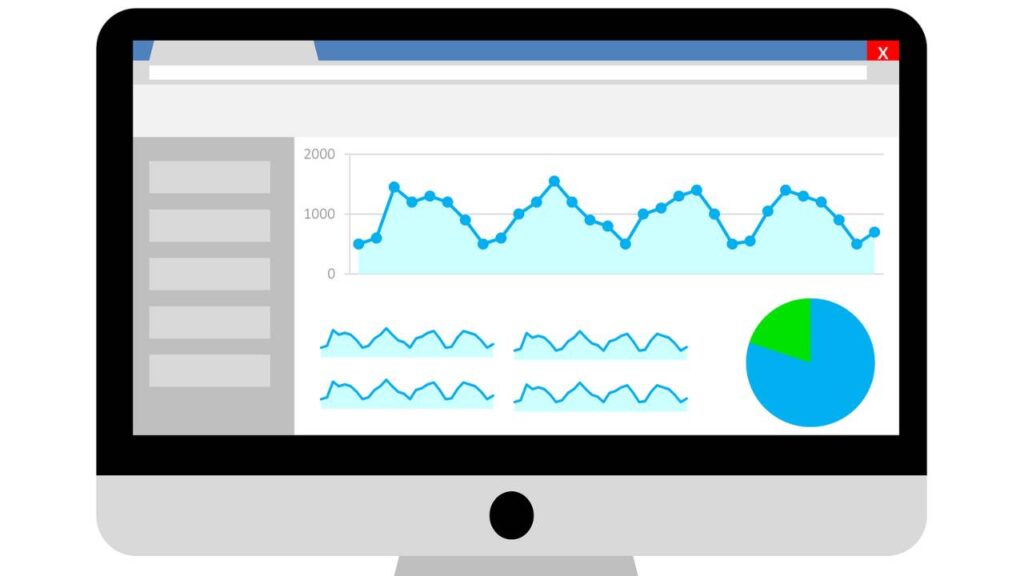
Irish specialised businesses need to measure SEO success using metrics that reflect their unique audiences and offerings. Unlike generic competitors, the number of qualified leads and requests for technical consultations often matter more than sheer website traffic.
Conversion goals should be tailored to the industry. For example, an engineering firm might track downloadable whitepaper requests, while a medical supplier could focus on appointment bookings or product information queries.
Key performance indicators such as average time spent on highly specific service pages and completion rates for detailed enquiry forms provide deeper insight than generic click-through rates. Tracking these enables businesses to gauge genuine engagement and intent within their niche markets.
Closely monitoring the online activity of rival companies in the same sector can also reveal gaps and opportunities. They can use tools to identify keyword trends, observe backlink profiles, and pinpoint weaknesses in competitors’ content offerings.
Specialised knowledge remains a core asset. Irish businesses that consistently produce in-depth, industry-specific content not only improve their search rankings but also increase their credibility and trust among target customers. Industry expertise, highlighted through case studies or technical blogs, can differentiate them in searches where authority matters most.
Conclusion
Specialised Irish businesses possess industry-specific expertise, established relationships, and an understanding of niche markets that generic competitors simply cannot match. By integrating this unique knowledge into targeted SEO strategies and developing high-quality, technical content relevant to their field, they can achieve higher visibility. It is essential for these businesses to audit their SEO efforts and actively highlight their specialisation, allowing them to convert their expertise into a lasting competitive advantage.